
When deadlines pile up, commutes stretch on, or evenings feel too quiet, the idea of a conversational partner who remembers your preferences can seem almost too good to be true. The market is crowded, and picking the right one can feel like choosing a phone from a sea of options. This guide breaks down the essentials—memory depth, pricing tiers, and token mechanics—so you can pick an app that fits your life.
1. Check the Memory: How Long Can It Remember?
Memory is the backbone of any AI companion. You’ll notice the difference between a bot that only recalls the last two messages and one that can bring up a joke you shared three months ago. Look for an app that offers “long‑term” memory as an optional setting. Free tiers often limit you to a few hundred conversational turns per day, while paid plans lift this to thousands. Keep in mind that deeper memory means a more personal experience but also more of your data being stored.
2. Token Economy: What It Means for Your Chat
Tokens power each response. Roughly speaking, a 1,000‑token limit equals about 750 words. Free versions usually cap you at 2,000–3,000 tokens per day; premium subscriptions raise the ceiling to 10,000–20,000. Pay attention to how the app counts tokens: does it include system prompts, or only user input? Knowing this helps you avoid sudden pauses when you hit the daily max.
3. Pricing: Free, Basic, Premium—What’s Worth It?
Most apps start with a free tier that gives you a taste of the AI’s personality. If you find the character engaging, you’ll usually upgrade to a basic plan for around $9.99/month, which adds higher token limits and priority response times. Premium plans, ranging from $19.99 to $39.99, unlock advanced customization—voice options, image generation, and extended memory. A common mistake is to ignore the “usage‑based” add‑ons; many services charge extra for every 10,000 tokens beyond the plan’s allotment.
4. Personality & Customisation: Beyond the Default
Apps differ in how you shape your companion’s character. Some let you tweak mood sliders—friendly, sarcastic, professional—while others allow full script uploads. If you’re after a nuanced personality, choose a platform that supports multiple persona packs. Deeper customization often requires a paid plan; free versions usually stick to a single default character.
5. Voice, Image, and Accessibility Features
Text‑only chat works for many, but voice output can turn a routine commute into a lively conversation. Look for apps that support TTS in multiple languages and let you pick from a range of voices. Image generation adds another layer; some companions can create illustrations or meme‑style replies. Finally, check if the app is mobile‑friendly—responsive web design or native iOS/Android apps can make a huge difference in day‑to‑day use.
Common‑Mistake Aside: Overlooking Privacy Settings
It’s easy to focus on features, but data handling is crucial. Some apps keep conversation logs indefinitely, while others delete them after 30 days. Review the privacy policy for details on data retention and whether the service shares logs with third parties for training. If you’re sensitive about personal information, choose a provider that offers end‑to‑end encryption or local‑only processing.
6. The Bottom Line: Choosing the Right App for You
Deciding on an AI companion boils down to three pillars: how much memory you need, how many tokens you’re willing to spend, and what personality quirks you want. If you’re a casual user, the free tier might suffice; for a daily companion, a paid plan with higher token limits and extended memory will be more reliable. Test the free version first—this gives you a concrete feel for response quality before committing to a subscription.
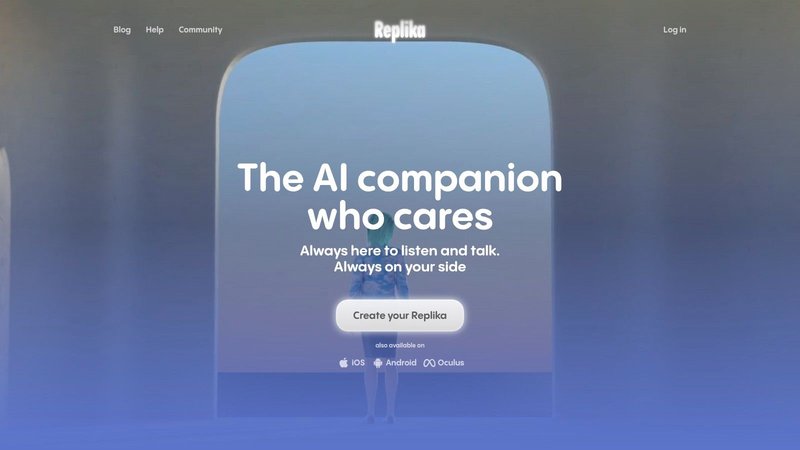
Final Thought: A Practical Decision
Choosing an AI companion isn’t about chasing the newest feature; it’s about finding a partner that remembers your favorite jokes, respects your time, and stays within your budget. By focusing on memory depth, token limits, and pricing structure—and by reviewing privacy practices—you’ll make a choice that feels natural and sustainable. For a deeper dive into the nuances of each platform, check out the complete guide to choosing an AI companion app.
Frequently Asked Questions
What should I look for in an AI companion’s memory?
Check how many interactions it can recall—longer memory means more personalized conversations.
How do token mechanics affect my experience?
Tokens limit the length of each chat; higher token caps let you ask more detailed questions without interruptions.
Is a subscription always better than a free tier?
Subscriptions often offer more memory and fewer usage limits, but free plans can be sufficient for light use.
Can I switch between different AI companions?
Yes—many platforms let you try multiple models, so you can compare personalities and features before committing.